What should you consider when selecting a power transformer voltage rating?
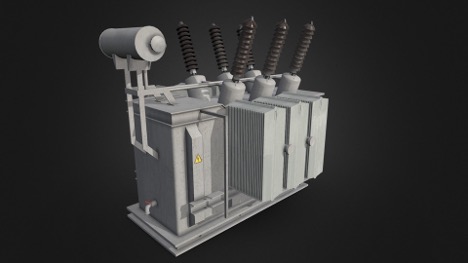
Power transformers are designed to transfer electrical energy between electrical circuits operating at different voltage levels with high efficiency. The safe and reliable performance of this function mainly depends on the correct selection of the primary and secondary voltage ratings.
Incorrect determination of either voltage level may result in excessive stress on the transformer insulation system, poor voltage regulation, overheating, reduced energy efficiency, improper operation of connected equipment, and even serious failures that may lead to major system outages.
Regardless of whether the transformer is installed in an electrical substation, industrial facility, renewable energy plant, data center, or commercial facility, accurately matching the input (primary) and output (secondary) voltage levels with the requirements of the electrical system is one of the key conditions for ensuring reliable power supply, safe equipment operation, and long service life.
Importance of Selecting the Correct Voltage Level for a Power Transformer
When purchasing a power transformer, selecting the correct voltage level is one of the most critical decisions. A transformer with incorrectly selected voltage ratings can reduce energy transmission efficiency, damage equipment, increase energy losses, and lead to costly system failures.Since every electrical network has its own specific voltage requirements, buyers should consider not only the primary and secondary voltage ratings but also the following factors:
- insulation level;
- system configuration;
- future expansion possibilities;
- applicable industry standards.
Main Voltage Parameters
The main voltage parameters that must be considered when selecting a power transformer include:- primary voltage;
- secondary voltage;
- maximum system voltage;
- insulation level (BIL – Basic Insulation Level);
- voltage regulation range of the tap changer;
- operating frequency;
- system grounding configuration.
Why Are Voltage Ratings So Important?
Power transformers are essential components that connect electrical systems operating at different voltage levels. Their primary function is to safely and efficiently convert electrical energy from one voltage level to another while maintaining the reliability of power transmission.Incorrect voltage selection may result in the following problems:
- excessive stress on the insulation system;
- overheating of the transformer;
- unstable or poor performance of electrical equipment;
- reduced transformer service life;
- increased maintenance and repair costs.
Choosing the correct voltage parameters is one of the most important factors in ensuring the safe, efficient, and reliable operation of a power transformer. In addition to matching the primary and secondary voltage levels, careful evaluation must also be given to the maximum system voltage, insulation coordination, Basic Insulation Level (BIL), tap changer operating range, operating frequency, and system grounding method.
Proper consideration of these factors enables full compatibility between the transformer and the electrical system, stable voltage regulation, extended equipment lifetime, and reduced operating costs.
Furthermore, correctly selected voltage ratings help prevent future compatibility issues and improve the reliability of the electrical system.
By cooperating with an experienced transformer manufacturer and accurately defining the technical requirements of the electrical system, organizations can select a power transformer that meets current needs while also supporting future expansion and changing energy system requirements.
This approach ensures long-term reliability, high energy efficiency, and maximum value from the investment.
