Current and voltage asymmetry in electrical networks – causes and consequences
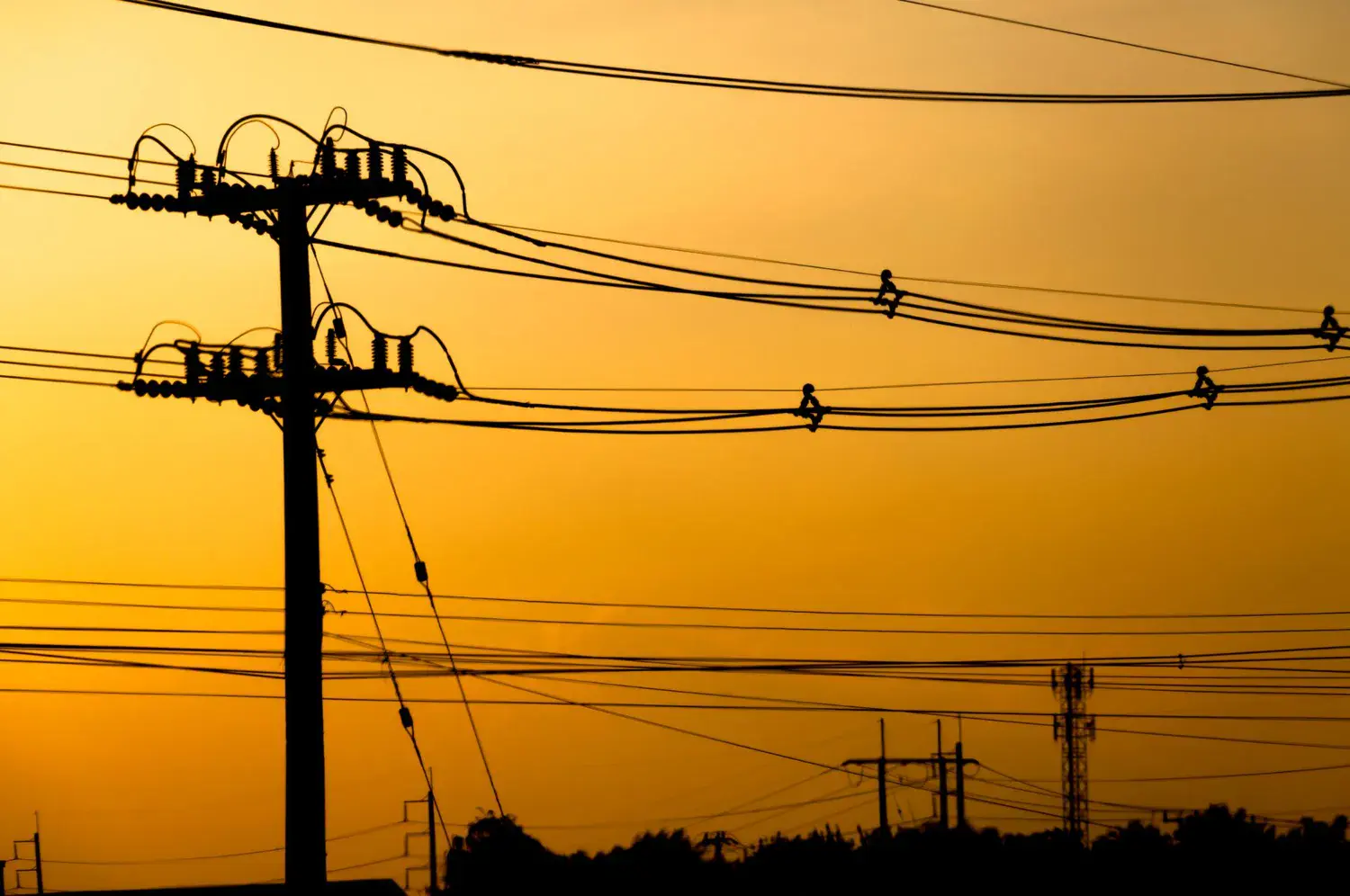
As a result of the free energy market, energy suppliers must ensure that the electrical energy paid for by consumers is of proper quality. Proper parameters are defined by relevant standards and regulations. However, negative events may occur in the electrical grid that affect the operation of the power system. One such event is asymmetry in the electrical grid. What is it, what causes it, and what effects can it have?
What is voltage and current asymmetry?
There are three types of asymmetry in the electrical grid: voltage asymmetries, current asymmetries, and simultaneously occurring voltage and current asymmetries. One of the conditions for the proper operation of the energy system is ensuring voltage symmetry in three-phase systems. This means that the sum of the combined values of phase voltages must be zero and the angles between individual phases must be equal (phase voltage vectors must be shifted by 120 degrees relative to each other).
The situation in which the RMS values of phase voltages or the shift angles between these voltages are different in a multiphase network is called asymmetry in the electrical grid. Of course, the values given in the definition refer to an ideal world. In practice, standards allow certain deviations. Asymmetric voltage occurs when the 10-minute average value of the asymmetry factor exceeds 2% for more than 95% of the time during a week.
Sources of asymmetry in the electrical grid
The sources of disturbances that cause asymmetry in the grid can be different and depend on the electrical lines being considered. Asymmetry may arise from differences in the internal structure of grid components such as generators, transmission and distribution lines, and transformers. In this case, we are dealing with structural asymmetry. Its source may also be asymmetric currents. For example, in the case of a high-voltage line, asymmetry may occur due to different self and mutual impedances of each phase because of the arrangement of phase conductors on the support pole. On the other hand, a medium or low-voltage line may have asymmetric voltage due to the use of multiple single-phase loads by electricity consumers or due to various faults on the load side.
In addition, in the context of the development of renewable energy sources (RES), prosumer energy production, and the possibility of connecting individual photovoltaic installations or heat pumps to low-voltage networks, the current operation of electrical grids may lead to a significant increase in voltage and current asymmetry. This is related to high variability in energy production, which is highly dependent on weather conditions, as well as energy demand on the consumer side. One way to reduce this risk is to ensure that RES systems are connected evenly across phases.
Effects of asymmetry
Asymmetry affects the quality of electrical energy supplied to consumers. It can cause voltage drops and even power outages and grid failures. Asymmetry also affects the efficiency of the entire energy system, the transmission and distribution process of electrical energy, and this can lead to higher energy prices. In addition, asymmetry is not harmless to equipment such as motors and transformers, and it leads to a significant reduction in their service life, for example through overheating. In the case of transmission lines, asymmetries reduce their transmission capacity, increase power and energy losses, and can also increase power and electricity measurement errors. For electricity consumers, asymmetries create a risk of damage to household appliances such as refrigerators, washing machines, or televisions due to supply from very high or very low phase voltages.
Measurement and reduction of the negative effects of asymmetry
To prevent the negative effects of asymmetry, appropriate standards and regulations are developed to ensure proper quality of electrical energy in the grid. In their creation, not only the definition of asymmetry is taken into account, but also naturally occurring phenomena such as certain asymmetry in the impedance of electrical grid components. For this reason, both national and international standards do not accept voltage asymmetry levels below 1%, as such a standard would be excessively strict.
In addition, for example in the protection of three-phase electric motors, a phase asymmetry sensor is used to continuously measure grid parameters and to protect the motor by disconnecting the power supply before a fault occurs when a danger is detected.
