Future materials in the production of high-voltage cables: lightweight, durable, efficient
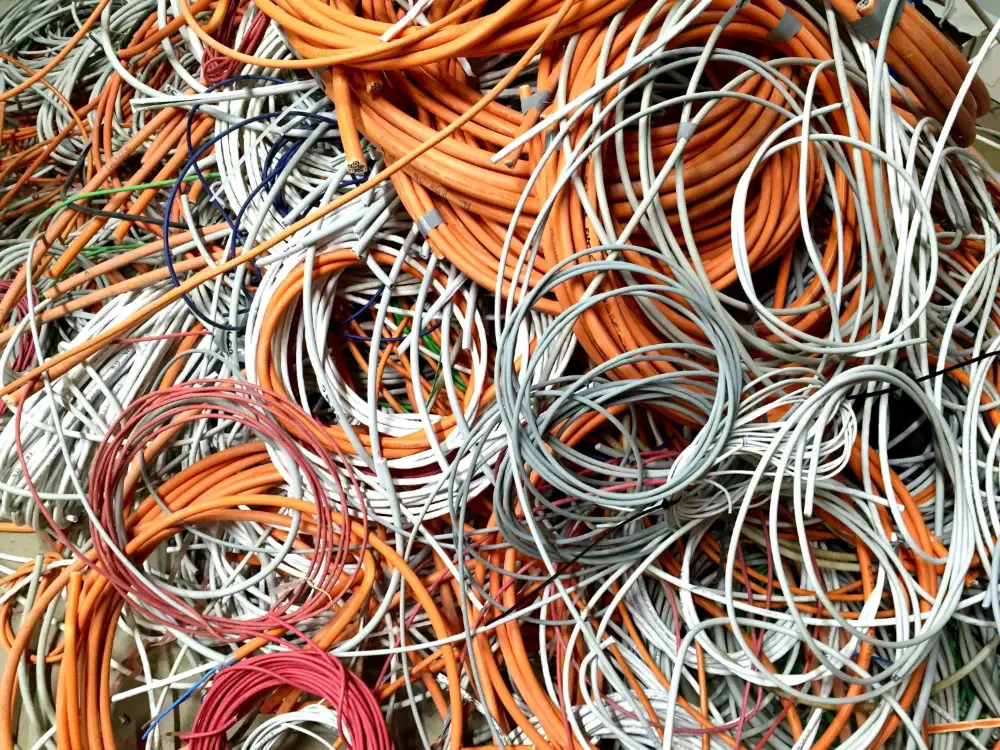
Modern high-voltage cables
For a power line to perform its role and ensure a high level of safety and quality, suitable materials must be used in its construction. Power cables used for the transmission of electrical energy across the network are of key importance. Their construction, among other factors, depends on the type of lines in which they are used. What materials and high-voltage cables are used in high-voltage lines?
In Azerbaijan, the voltage of high-voltage lines is 110 kV, 220 kV, 330 kV and 500 kV depending on demand. They are used for transmitting energy to HV or MV stations. A cable line usually covers distances from several kilometers to several tens of kilometers. Therefore, HV cables must be designed in a way that ensures reliable operation and safety. Therefore, they must be made from materials that on one hand have suitable electrical properties, and on the other hand are characterized by appropriate mechanical and thermal resistance. What solutions are used in the structure of cables in high-voltage lines?
What should be the characteristics of high-voltage cables?
Cables used in power lines must meet certain requirements. On the one hand, they should be characterized by low resistance so that the risk of voltage drops and energy losses is minimized. At the same time, cables must have a certain tensile strength, be resistant to corrosion, possess a certain flexibility, as well as weight and diameter characteristics.
The standards and parameters that overhead line cables must meet are defined by international and national standards and regulations. These standards vary depending on the materials from which the cables are made — cables made of aluminum and alloys or reinforced with steel, or cables characterized by higher resistance to mechanical damage.
In the construction of HV cable lines, various types of cables are most commonly used. These can be, for example, ACSR, AAAC or ACAR cables. These are aluminum cables with steel cores, or cables made of aluminum or aluminum alloy core aluminum cables.
Materials used in the production of electrical cables
Various materials are used in the production of electrical cables, such as:
aluminum
copper
modern materials such as composites, nanoconductors
Use of aluminum
One of the main materials used in the energy industry is aluminum. It is mainly used in cases where lightweight high-voltage cables are required. Aluminum is characterized by lightness and relatively low cost, especially compared to other materials used. All the above-mentioned types of cables such as ACSR, ACAR and AAAC use aluminum in their structure.
Aluminum is also characterized by good electrical conductivity, although this property is weaker compared to copper, as well as relatively high corrosion resistance. The disadvantage of this material is its tendency to oxidize, lower mechanical strength, and higher electrical resistance, which leads to increased energy losses.
Use of copper
Copper is an excellent electrical conductor and is characterized by high thermal resistance and mechanical strength. All these properties make it a good choice in cases where durable high-voltage cables are required. In addition, its properties include high corrosion resistance. The structure of copper cables makes the operation of power lines less demanding, as there is no need to clean the oxide layer that forms in aluminum cables.
High-voltage copper cables are widely used for transmitting electrical energy from power plants to substations and ultimately to end users. They allow efficient transmission of large amounts of energy over long distances and reduce energy losses. On the other hand, it should be noted that copper is significantly more expensive than aluminum, which can be a problem in terms of total investment costs.
Modern materials such as composites, nanoconductors
Other materials can also be used in the construction of electrical cables. Polymers are used as an insulating layer to protect cables from weather conditions and mechanical damage. Other materials for HV cables include nanomaterials. Graphene is particularly interesting in this regard and is considered one of the future materials in energy. It is characterized by excellent electrical and thermal conductivity. It is extremely thin, which makes it lightweight, while also being very durable. It is no surprise that it is considered a material with high industrial potential.
Composites are also currently used in the structure of power cables in high-voltage lines. They can be used, for example, together with aluminum to increase the mechanical durability of cables or their resistance to high temperatures. They can also be used as an insulating element. Their use allows improvement of cable parameters such as service life, while also reducing energy losses.
Modern materials in the energy of the future
Materials of the future can help revolutionize the energy industry and significantly increase the efficiency of energy systems. Some of them are already used in the construction of cables in high-voltage lines, while others are still being developed and researched. However, as science and knowledge progress, it is expected that technologies will be implemented that will enable more efficient, safer, and easier energy transmission, supporting a sustainable and efficient direction of energy development.
