You receive electrical energy in your home. You can use it to run your air conditioner, television, refrigerator, and to turn on your lights and fans. Have you ever wondered how electricity reaches all these devices? In other words, how does a single power source supply energy to many different devices? If you are curious, this article will help you understand it.
What Is an Electrical Distribution Panel Board?
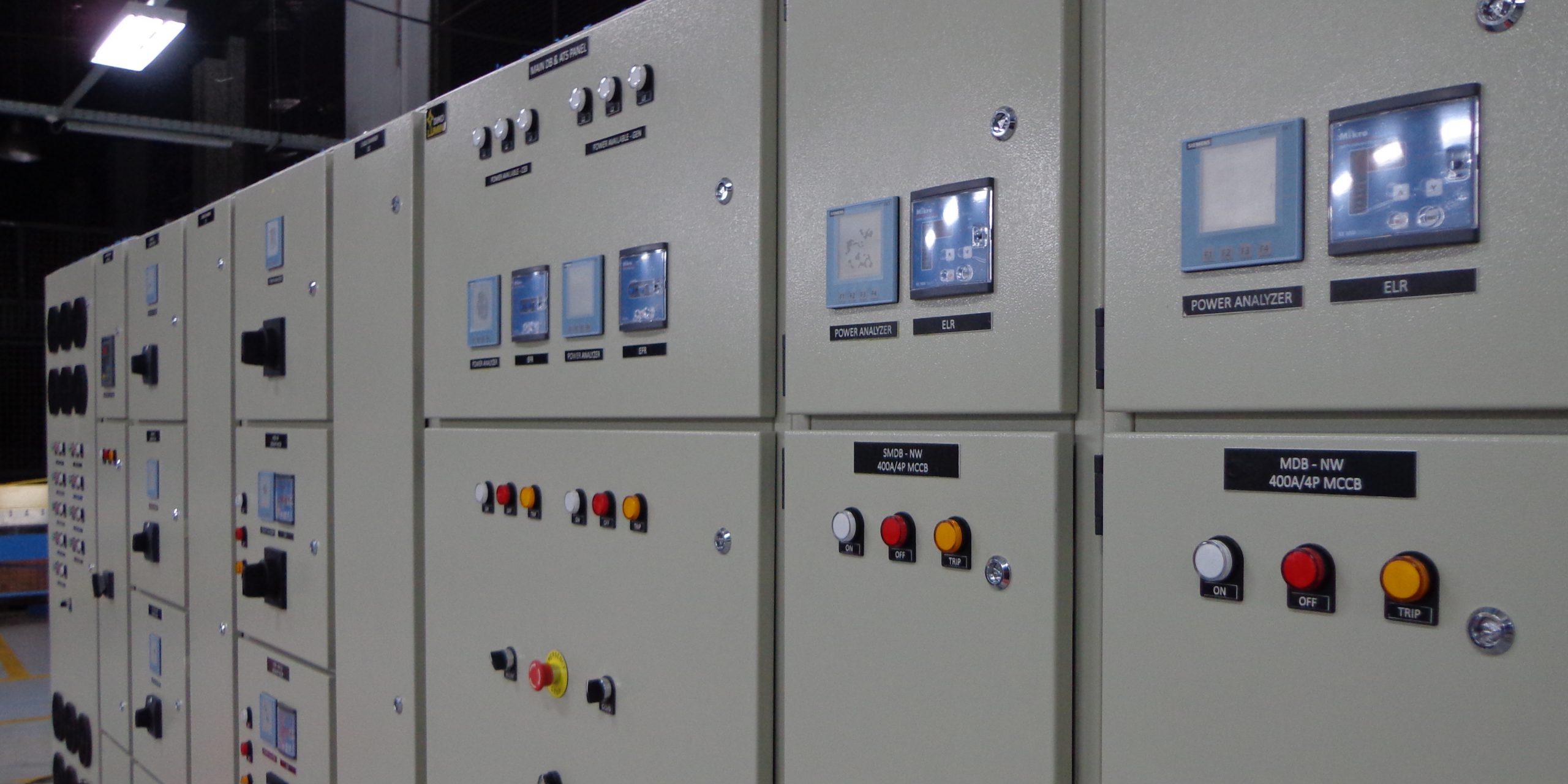
An electrical panel board, also called a distribution board or switchboard panel, is an important part of the electrical system. It helps distribute electrical energy to different parts of a building. The panel board contains circuit breakers or fuses that control and protect each circuit. These switches help supply power to different areas of the building. The panel board is very important for safety because it provides an easy way to turn off circuits, making maintenance easier and preventing excessive electrical flow.
Main Functions of a Distribution Panel
Receives power from the electrical supply
Distributes electricity to different circuits in the building
Contains circuit breakers or fuses to control electricity
Prevents overload and short circuits
Has switches or indicators to monitor and control electricity
Helps manage electrical load to prevent system failure
Provides electricity to devices, lights, and other equipment
Ensures safety compliance and protects against electrical hazards
Acts as a central point for electrical distribution in a building
How a Distribution Panel Works
The distribution panel board is a very important part of electrical systems. It helps distribute electricity efficiently to different parts of a building. It works as follows:
Central Hub: The panel board receives electricity from the supply and distributes it to different circuits.
Circuit Distribution: It contains circuit breakers or fuses, each sending electricity to a specific circuit. These circuits may include lights, sockets, appliances, and more.
Overcurrent Protection: Circuit breakers or fuses automatically switch off or blow when too much electricity is detected, preventing damage and fire hazards.
Load Management: The panel board helps manage electrical load to avoid overloading the system.
Monitoring and Control: Some panels include switches or indicators to monitor and control electricity, helping to detect issues easily.
The distribution panel is very important for ensuring the safe and reliable operation of electrical systems and protecting people and property from electrical hazards.
Is There a Difference Between a Consumer Unit and a Distribution Board?
A consumer unit and a distribution board perform similar functions, but they are different:
Consumer Unit:
Usually used in homes
Contains protective devices against excessive electricity
Distributes electricity within home circuits
Often has a main switch to turn off all electricity
Distribution Board:
Used in commercial or industrial buildings
Supplies power to many circuits or devices
May include additional components such as contactors or meters
Designed for larger and more complex electrical systems
What Is the Difference Between a Switchboard and a Panel Board?
A switchboard and a panel board are parts of the system, but they perform different functions.
Switchboard: It is larger. It deals with higher voltage electricity. It contains devices such as switches, circuit breakers, and meters. Switchboards are usually used in large commercial buildings.
Panel Board: It is smaller and used for low-voltage electricity. It contains circuit breakers or fuses to control and protect circuits. Panel boards are used in homes, commercial buildings, or small industrial facilities and make electrical control easier.
Types of Special-Purpose Panels
Generator Panels: Help connect generators to the system and ensure continuous power during outages.
Fire Pump Panels: Power and control fire pump motors, which are essential for fire safety.
Solar Panel Boards: Manage energy coming from solar panels and integrate it into the electrical system.
Motor Control Centers: Control and supply power to electric motors, used in industrial buildings.
Instrumentation Panels: House instruments and control equipment used in process control and automation.
Each type meets specific electrical needs and makes systems more efficient and safer.
