What are the advantages of LED street lights over traditional lighting technologies?
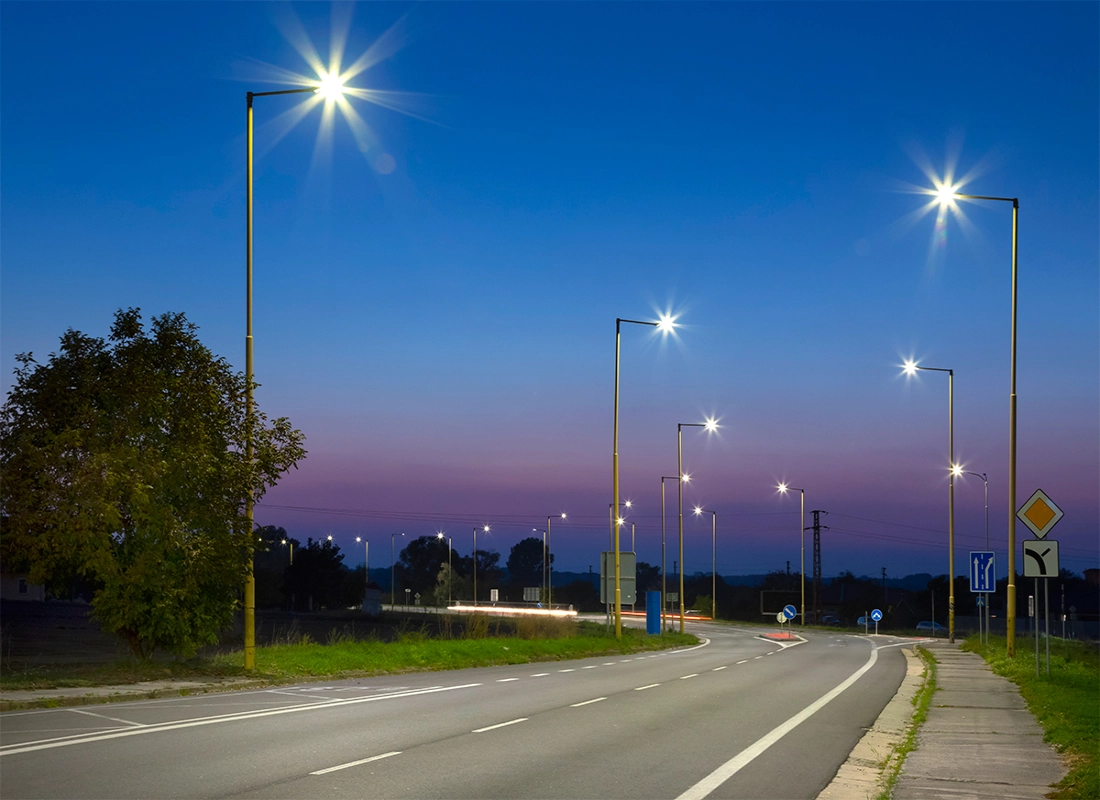
In terms of energy efficiency and sustainability, the lighting industry has undergone a significant transformation in recent years, and LED technology has become the leader in illuminating the world’s streets and highways.
LED street lighting lamps have revolutionized outdoor lighting by offering many advantages over traditional lighting technologies such as incandescent, fluorescent, and high-pressure sodium lamps.
What makes LED street lighting lamps more energy-efficient than traditional lighting technologies?
In terms of energy efficiency and sustainability, the lighting industry has undergone a significant transformation in recent years, and LED technology has become the leader in illuminating streets and highways around the world. LED street lighting lamps have revolutionized outdoor lighting by offering numerous advantages over traditional lighting technologies such as incandescent, fluorescent, and high-pressure sodium lamps. From reduced energy consumption to longer lifespan and improved control, the advantages of LED street lighting lamps are compelling. Interkabel will share the intricacies of LED technology and explore why it is chosen as the preferred option for street lighting solutions.
About Light Emitting Diode Technology
Light Emitting Diodes (LEDs) are semiconductor devices that produce light when an electric current passes through them. Unlike traditional lighting sources that rely on heating a filament or gas to produce light, LEDs generate light through a process called electroluminescence. This process involves the movement of electrons within a semiconductor material, which emits photons and results in light.
Directionality and Efficiency of LED Lights
One of the main advantages of LED street lights is their inherent directionality. Unlike traditional lighting sources that emit light in all directions, LEDs emit light in a specific direction, resulting in less light loss and increased efficiency. This directional feature allows for better light distribution, ensuring that illumination is precisely directed where it is needed, minimizing light pollution and maximizing visibility on streets.
Lower Energy Consumption
LEDs are known for their exceptional energy efficiency. They consume significantly less energy compared to traditional lighting technologies to produce the same amount of light. The efficiency of LEDs comes from their ability to convert a higher percentage of electrical energy into visible light, with minimal energy lost as heat. This results in significant energy savings and reduced electricity costs for municipalities and governments responsible for lighting public spaces.
Longer Lifespan
One of the most attractive features of LED street lights is their longevity. LED lamps can operate for up to 50,000 hours or more, far exceeding traditional lighting sources such as incandescent and fluorescent lamps. The long lifespan of LEDs not only reduces maintenance costs but also minimizes the environmental impact associated with the production, transportation, and disposal of lighting fixtures. Since fewer replacements are required, LED street lighting lamps contribute to resource conservation and sustainability efforts.
Instant On/Off Capability
LEDs provide instant illumination and reach full brightness immediately after being switched on. This contrasts with traditional lighting sources that may require a warm-up period to achieve maximum brightness. The instant-on feature of LED street lights enhances safety and visibility, especially in areas where rapid changes in lighting conditions are critical, such as intersections and pedestrian crossings. Additionally, the ability to turn LEDs off instantly helps save energy and optimize lighting control, further increasing efficiency.
Efficient Light Distribution
LED street lighting lamps can be designed to provide precise light distribution, ensuring uniform illumination along roads and sidewalks. By directing light exactly where it is needed most, LED lamps minimize light spillage and glare, reduce energy waste, and improve visibility for drivers, cyclists, and pedestrians. Advanced optics and innovative designs allow LED street lighting lamps to achieve optimal light distribution patterns while maximizing efficiency and minimizing environmental impact.
Dimming Capabilities
Another advantage of LED street lights is their built-in dimming capability. LEDs can be easily dimmed or adjusted to meet different lighting requirements, allowing municipalities to regulate lighting levels based on time of day, road conditions, and environmental factors. Dimming not only saves energy but also extends the lifespan of LED lamps by reducing operational stress. Smart lighting systems equipped with dimming functionality enable dynamic control of street lighting, optimizing energy efficiency and improving overall performance.
Environmental Benefits
The environmental benefits of LED street lights go beyond energy efficiency and reduced carbon emissions. LEDs do not contain hazardous materials such as mercury, which is often found in fluorescent lamps, making them safer for both human health and the environment. Additionally, the longer lifespan and lower energy consumption of LED lamps contribute to resource conservation and waste reduction, aligning with global efforts to minimize environmental impact and combat climate change.
Economic Considerations
Although the initial investment in LED street lighting may be higher than traditional technologies, the long-term economic benefits outweigh the upfront costs. Energy savings, reduced maintenance expenses, and extended lamp lifespan result in significant cost savings over their operational lifetime. Furthermore, many governments and municipalities offer incentives and subsidies to promote the adoption of energy-efficient lighting solutions, further enhancing the economic viability of LED street lighting lamps.
Technological Advancements
The rapid development of LED technology has led to continuous improvements in performance, efficiency, and functionality. Innovations such as smart lighting control systems, wireless connectivity, and integrated sensors are transforming LED street lights into intelligent infrastructure components capable of real-time monitoring, data collection, and adaptive lighting strategies. These advancements not only improve energy efficiency but also enable smarter and more sustainable urban environments.
Future Prospects
As LED technology continues to evolve and become more affordable, the global adoption of LED street lighting is expected to accelerate. The integration of smart control tools, renewable energy sources, and energy management systems will further enhance the efficiency and sustainability of outdoor lighting infrastructure. With ongoing research and development, LEDs will play a key role in shaping the future of urban lighting, creating safer and more energy-efficient cities for future generations.
Conclusion
LED street lighting lamps represent a paradigm shift in outdoor lighting, offering unmatched energy efficiency, longevity, and controllability compared to traditional lighting technologies. With features such as directional light output, lower energy consumption, longer lifespan, instant-on capability, and dimming, LED street lights are the preferred choice for municipalities, governments, and urban planners seeking sustainable lighting solutions. By adopting LED technology, cities can illuminate their streets while reducing energy costs, minimizing environmental impact, and creating safer and more vibrant communities for everyone.
